Shower Screens In Forster: How Much Should You Budget For A New Screen?
A new shower screen in Forster typically ranges from a straightforward fully framed unit at the lower end, up to a fully custom frameless screen at the higher end, with semi-frameless sitting in between. Frame type, glass thickness, hardware finish, and custom sizing are what move the number, not the suburb you live in. If you want an exact figure for your bathroom, the fastest path is a free on-site measure and quote from your local shower screens Forster team.
This guide walks through what actually drives shower screen pricing, why older Forster and Tuncurry bathrooms often need extra attention, and what to expect when you book a measure.
Quick Answer: What a New Shower Screen Costs in Forster
There's no single fixed price for a shower screen, and any supplier who quotes one over the phone without seeing your bathroom is guessing. What we can tell you, from measuring and installing across Forster and the wider Great Lakes region, is what pushes a job to the lower or higher end of the range.
Fully framed pivot screens are the most budget-friendly option, because they use thinner glass supported by an aluminium frame on all sides. Semi-frameless sliding or corner screens cost more, since they use thicker glass with minimal framing and heavier-duty rollers or hinges. Frameless hinged or sliding barn door screens sit at the top of the range. They rely on 10mm or 12mm toughened safety glass doing all the structural work, with only small fittings holding it in place.
Custom sizing adds cost regardless of style, and it's common in Forster's older housing stock where bathrooms weren't built to today's standard dimensions.
How Much Does a Shower Screen Cost? (Framed vs Semi-frameless vs Frameless)
Understanding shower screen installation cost starts with understanding the three main frame types, because frame type is the single biggest lever on price.
Fully framed screens use an aluminium frame around the entire glass panel, including a track for pivot or sliding doors. The frame does most of the structural work, so the glass itself can be thinner. This makes fully framed the most cost-effective option, and it's a genuinely sensible choice for rental properties, budget renovations, or bathrooms where the screen isn't a design feature.
Semi-frameless screens frame only the fixed panel or the perimeter edges, leaving the door itself frameless or minimally framed. You get a cleaner look than a fully framed screen without the full cost of going frameless. Semi-frameless pivot, sliding, and corner configurations all fall into this middle tier.
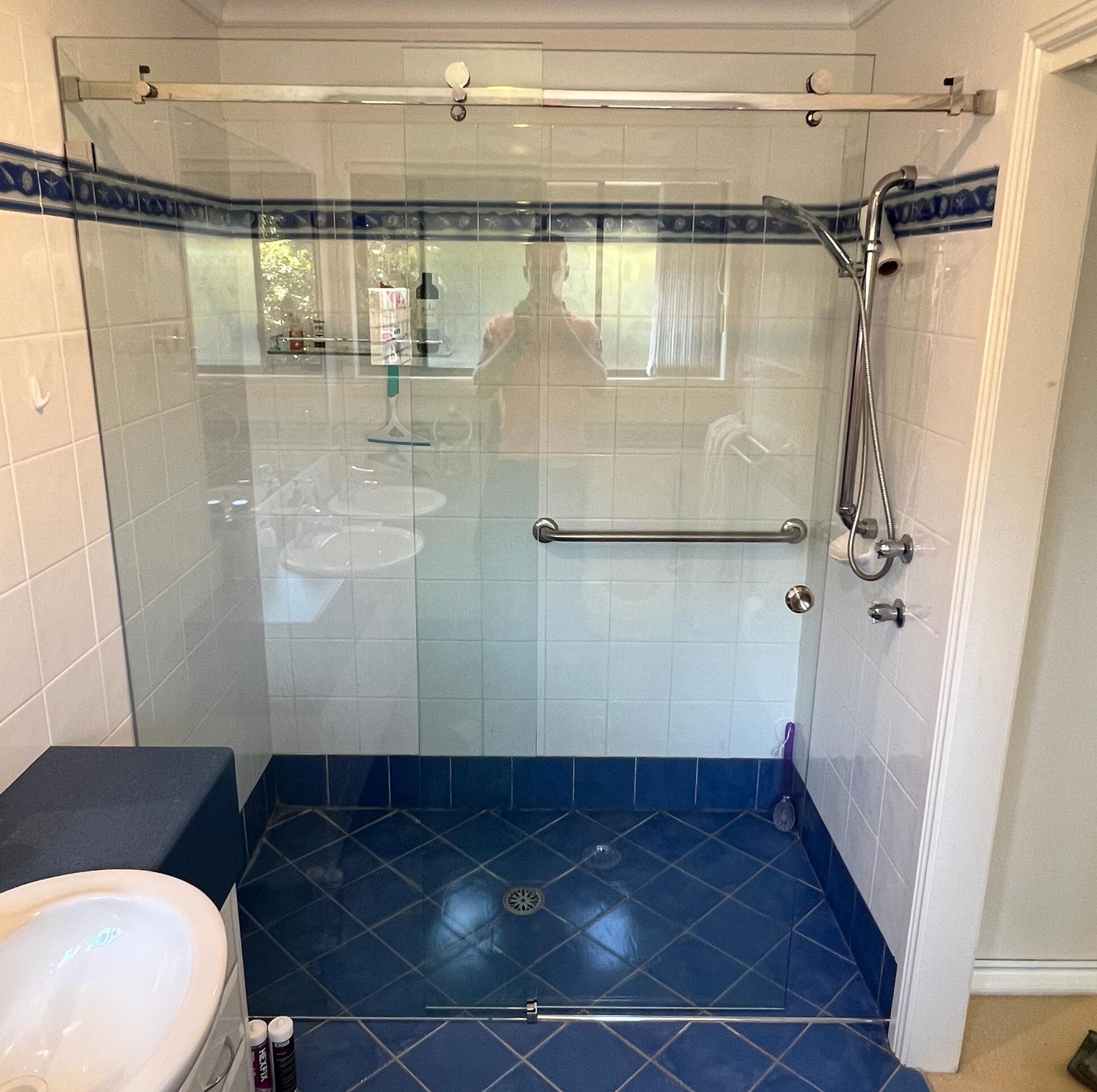
Frameless screens use thick toughened safety glass, usually 10mm, held by minimal hardware such as hinges, clamps, or a header rail. Because there's no frame to hide imperfections or absorb minor movement, frameless installs demand more precise measuring and installation. Frameless hinged doors and frameless sliding barn doors both sit in this category, and they're the option most renovators picture when they imagine a modern bathroom.
As a rule of thumb, frame type moves the price more than any other single factor, so it's the first decision worth making before you start comparing quotes.
What Affects the Price of a Frameless Shower Screen?
Once you've settled on frameless, several other factors still move the price up or down.
Glass thickness is the starting point. Frameless screens are built from Australian Standard safety glass (AS/NZS 2208), and thicker glass costs more but also feels more substantial and is quieter when doors close. Reputable glaziers won't drop below the minimum thickness required for the panel size and installation type. That's a safety standard (AGWA-referenced glazing practices like ACP214 exist for exactly this reason), not a place to cut corners for a cheaper quote.
Hardware finish is the next variable. Hinges, handles, and support arms come in chrome, brushed nickel, matte black, and other finishes. Premium finishes and heavier-duty hardware (needed for larger or heavier panels) both add to the total.
Configuration matters too. A single fixed panel with one door costs less than a walk-in screen, a corner enclosure with two moving parts, or a full barn-door slider spanning a wide opening. More glass and more hardware means more cost.
Access and installation complexity can add cost on top of the screen itself, whether that's awkward site access, existing tiling that needs careful work-around, or removing an old screen before the new one goes in.
If you want to see how these frame types and configurations actually look in a bathroom before you decide, it's worth taking the time to explore shower screen styles so you're comparing apples with apples when quotes come in.
Why custom sizing matters in older Forster bathrooms
A large share of the homes we measure across Forster and Tuncurry were built decades before today's standard bathroom fittings existed. Openings are often out of square, wall tiles sit slightly proud in one corner, or the shower base itself is a non-standard shape left over from a previous renovation.
Off-the-shelf screens are built to fit perfectly square, standard-sized openings. When a bathroom doesn't match that assumption, which is common in older coastal housing stock, an off-the-shelf unit either won't fit properly or will leave visible gaps that let water escape and look unfinished.
This is where custom shower screens earn their keep. Every screen we install is measured on-site to the actual dimensions and angles of your bathroom, not to a catalogue size. For an out-of-square opening, that might mean cutting the glass to a slight taper, adjusting the frame or clamp positions, or specifying a header rail that accounts for a wall that isn't perfectly plumb. It's more work up front, but it's the difference between a screen that looks and performs like it was built for your bathroom, and one that was forced to fit.
As an example: a Forster renovator with a 1970s ensuite recently needed a frameless sliding screen for an opening that was 8mm out of square across its width, barely visible to the eye but enough to cause a standard-size screen to sit crooked or leak at one edge. A custom measure and a slightly tapered glass cut solved it, at a modest premium over a standard-size equivalent.
Book a free on-site measure & quote
The only way to get an accurate cost for your bathroom is to have it measured properly. Our team offers a free on-site measure and quote across Forster and Tuncurry, where we assess your opening, talk through frame type and finish options, and give you a firm price, not a phone estimate.
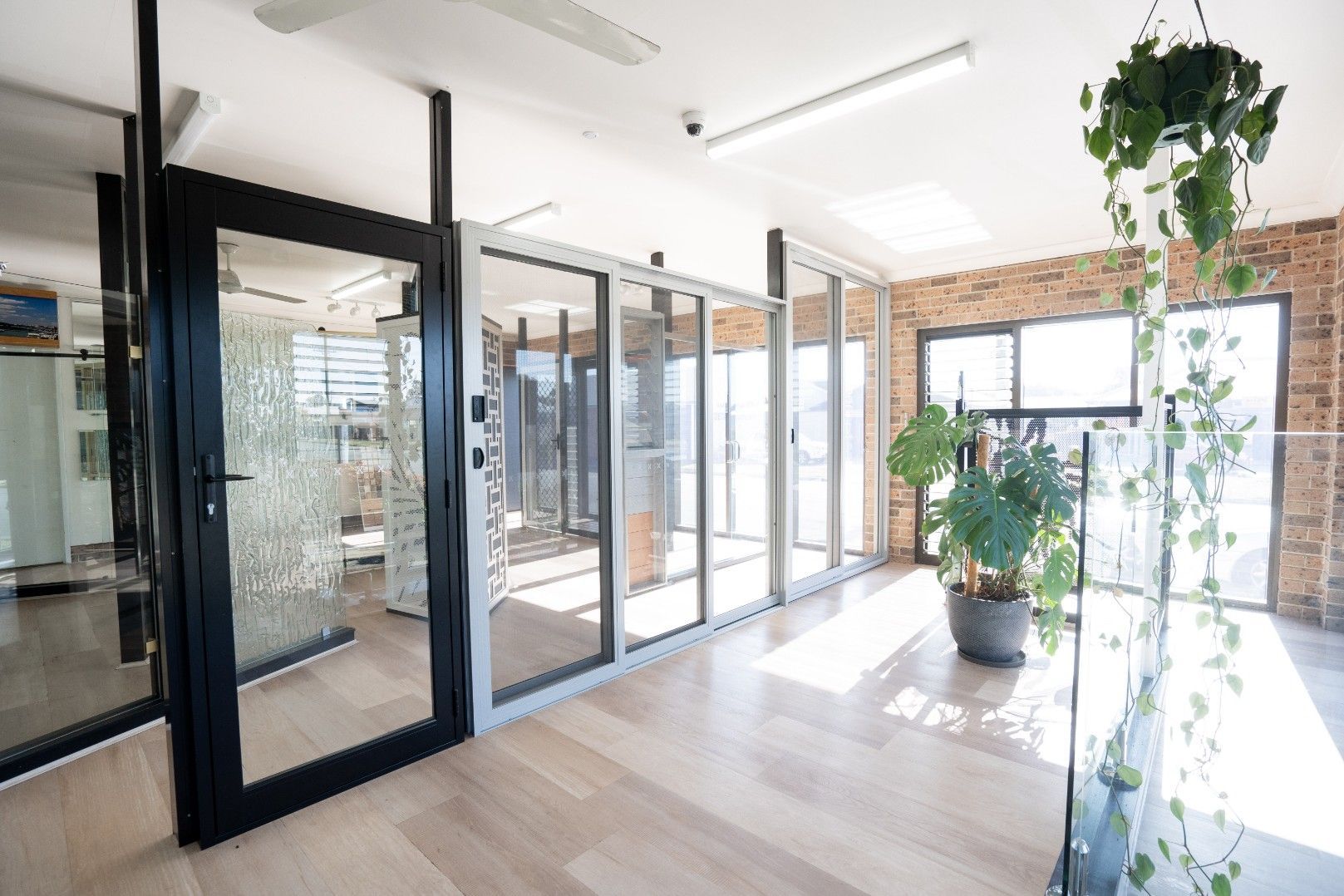
If you'd rather see your options in person first, our Taree showroom has seven shower screens on display, covering framed, semi-frameless, and frameless styles, so you can look, touch, and compare hardware finishes before committing. Whichever you prefer, the next step is the same:
get in touch for a free quote and we'll organise a time that suits you.
FAQs
Is a frameless shower screen worth the extra cost?
It depends on what you're prioritising. Frameless screens give a cleaner, more modern look and are easier to keep clean since there's no frame to trap grime, but a well-installed semi-frameless or fully framed screen is a perfectly sensible choice if budget is the main driver. There's no wrong answer here. It comes down to the look you want and what you're comfortable spending.
Why do older Forster homes often need custom shower screens instead of standard sizes?
Many homes in Forster and Tuncurry were built before standardised bathroom dimensions became common, so openings can be out of square or shower bases can be non-standard shapes. A custom-measured screen accounts for these quirks, while an off-the-shelf screen assumes a perfectly square opening it may not get.
How long does shower screen installation usually take?
Installation itself is typically completed in a single day for most residential jobs, once the screen has been manufactured to the measured specifications. Manufacturing lead time varies depending on the screen type and any custom cuts required.
Do I need to remove my old shower screen before getting a new one?
Removal of the existing screen is usually handled as part of the installation. It's worth mentioning your existing setup when you book your measure and quote so it can be accounted for in the process and pricing.
What glass thickness is used for frameless shower screens?
Frameless screens generally use 10mm or 12mm toughened safety glass compliant with Australian Standards (AS/NZS 2208), since the glass itself carries the structural load without a supporting frame. Semi-frameless and fully framed screens can use thinner glass because the frame shares that load.
Can I get a shower screen quote without a home visit?
You can get a rough guide over the phone, but an accurate, firm price requires an on-site measure. This is especially true in older Forster properties where out-of-square openings and non-standard shower bases are common, and a phone estimate can't account for those variables.