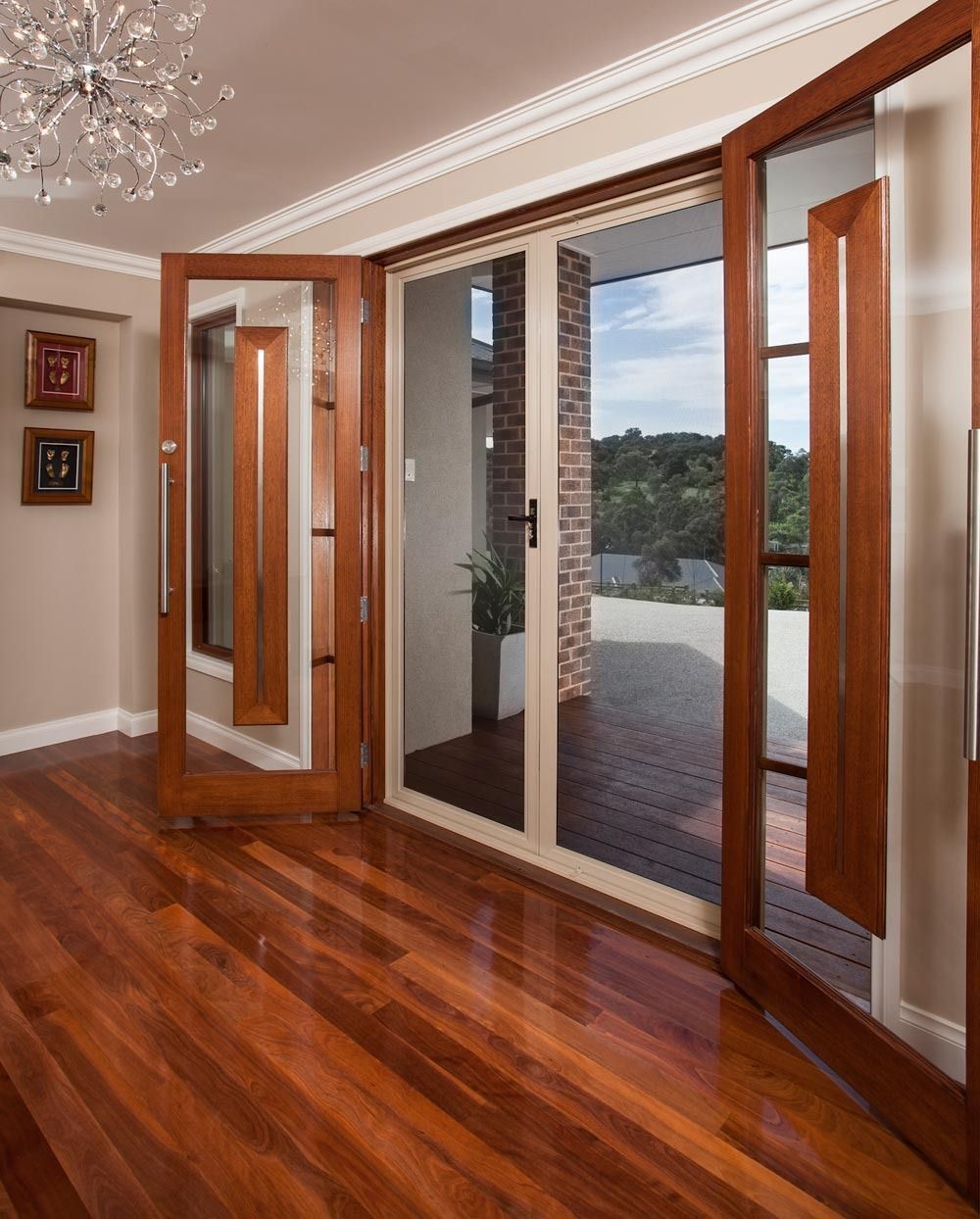
Types Of Glass Used In Forster Homes And Their Benefits
Glass plays a much bigger role in the comfort and safety of a home than many people realise. From keeping living spaces well lit to improving insulation and protecting against impact, the right type of glass can transform how a home functions. Whether someone is building, renovating, or replacing damaged panes, understanding the different options helps ensure each room receives the most suitable and long-lasting solution. Modern glazing offers benefits that go far beyond aesthetics, with new technologies supporting energy efficiency, privacy, security, and durability. This guide explores the most common types of glass used in homes and the advantages they bring to everyday living.
1. Toughened Glass: Why Many Homes Choose It for Everyday Safety
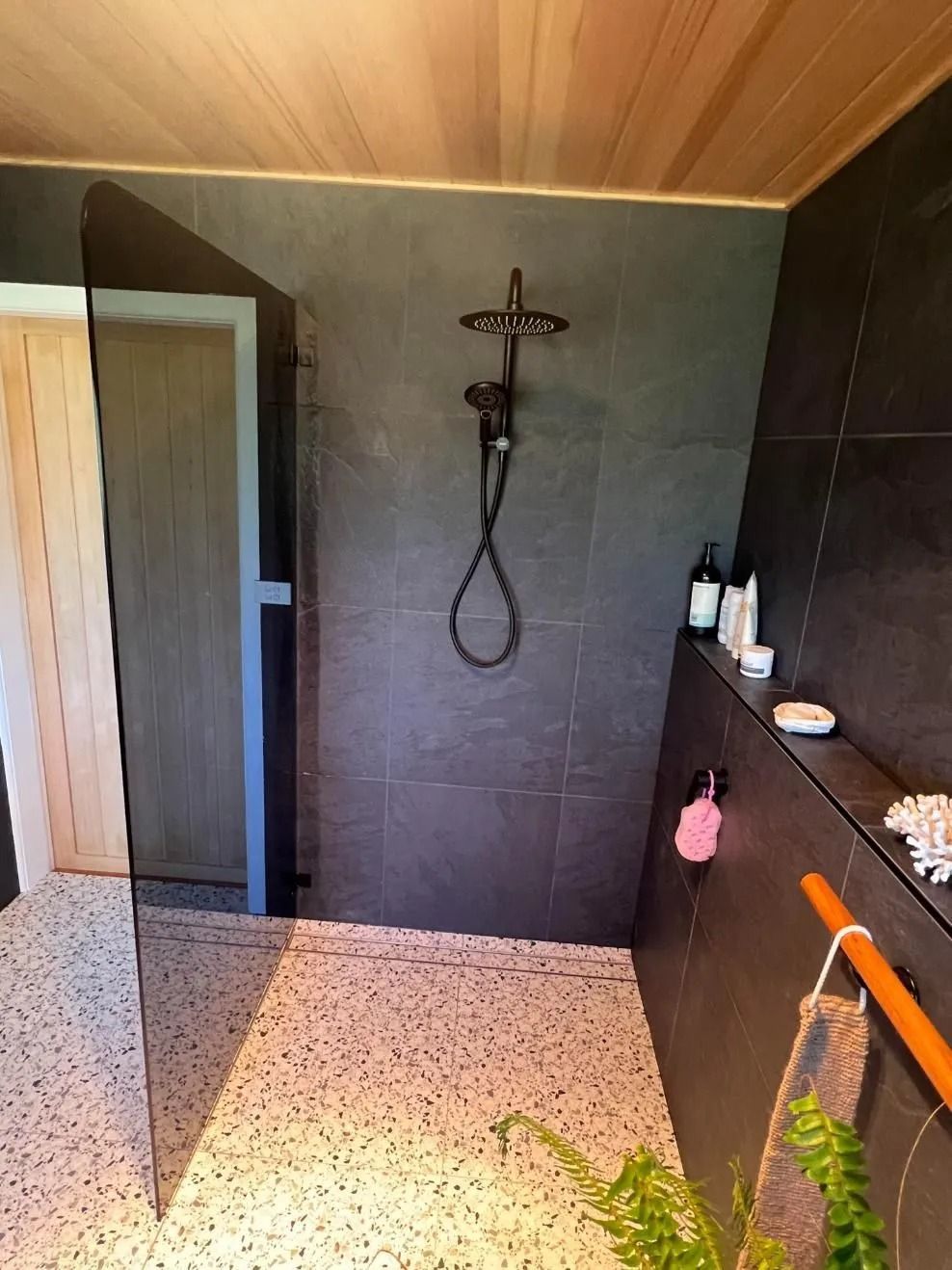
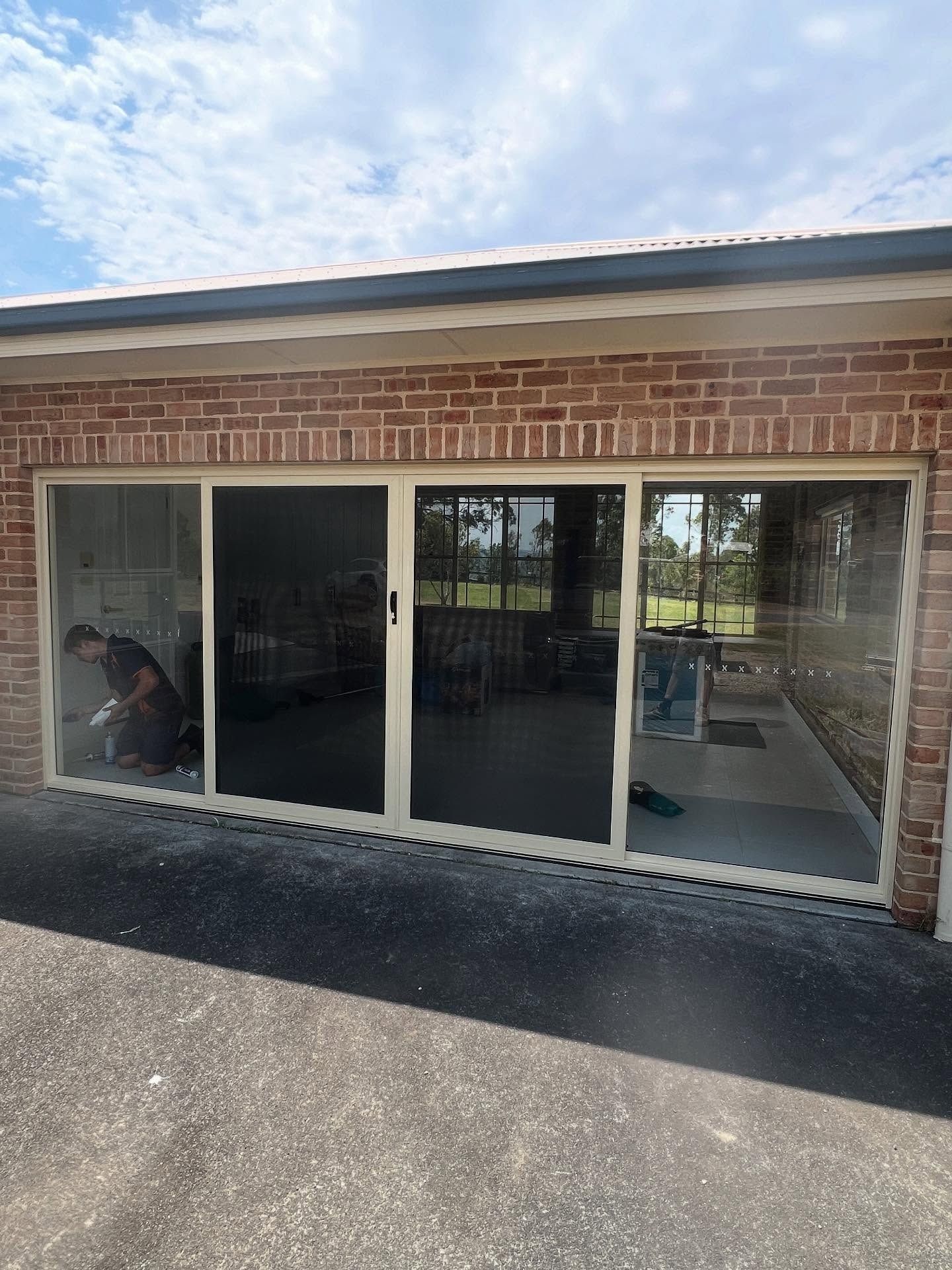
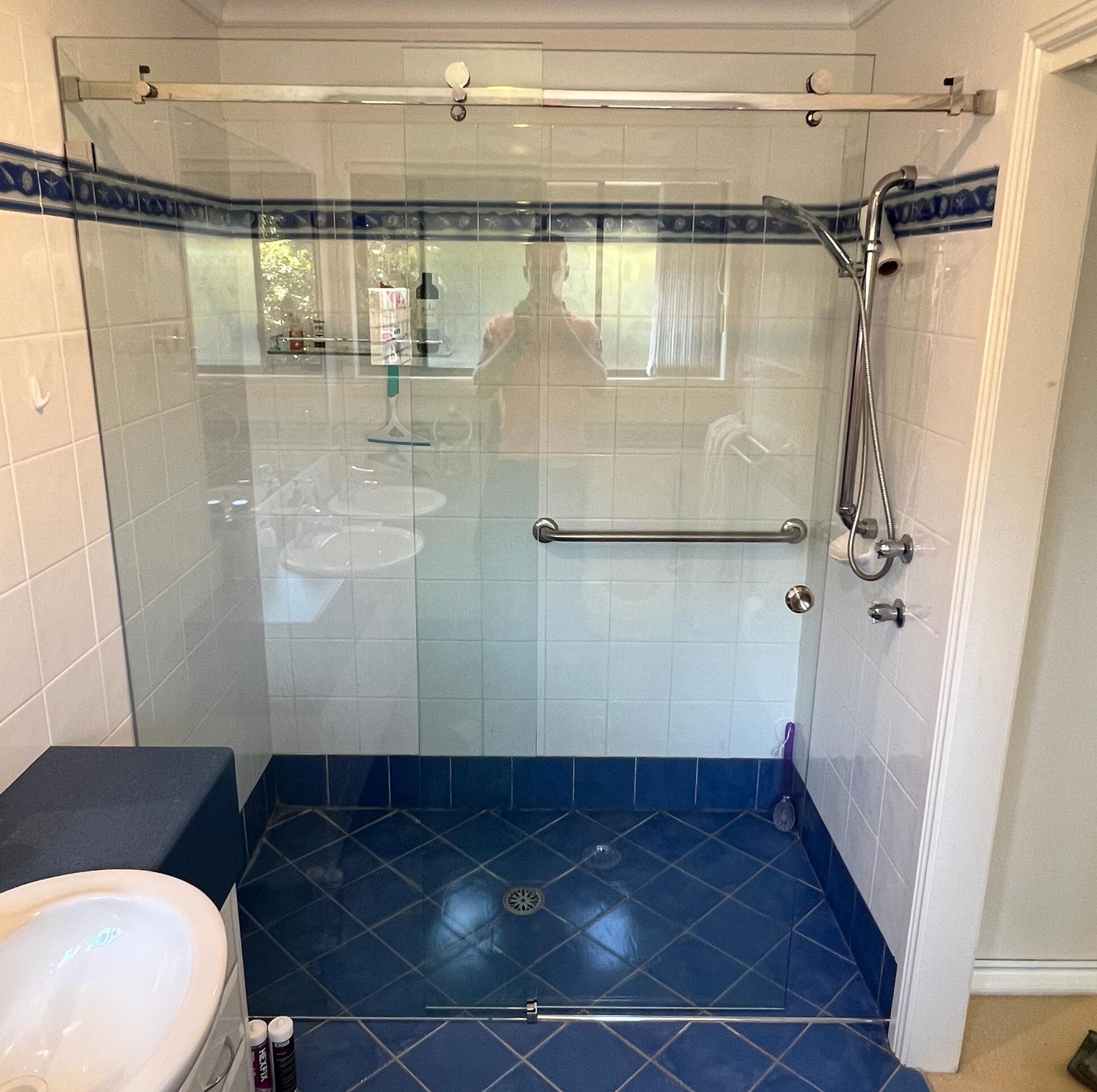
Toughened glass is one of the most widely used safety options in residential properties because of its strength and the way it reacts when broken. It undergoes a controlled heating and cooling process that increases its durability, making it suitable for high-use areas like doors,
shower screens, and balcony spaces. If breakage does occur, the glass shatters into small blunt fragments rather than sharp pieces, reducing the risk of serious injury. Glass suppliers often recommend toughened glass for families or homes with large and active living areas, as the combination of strength and safety offers peace of mind. When cracks or damage appear, services such as custom cutting, replacement glazing, or
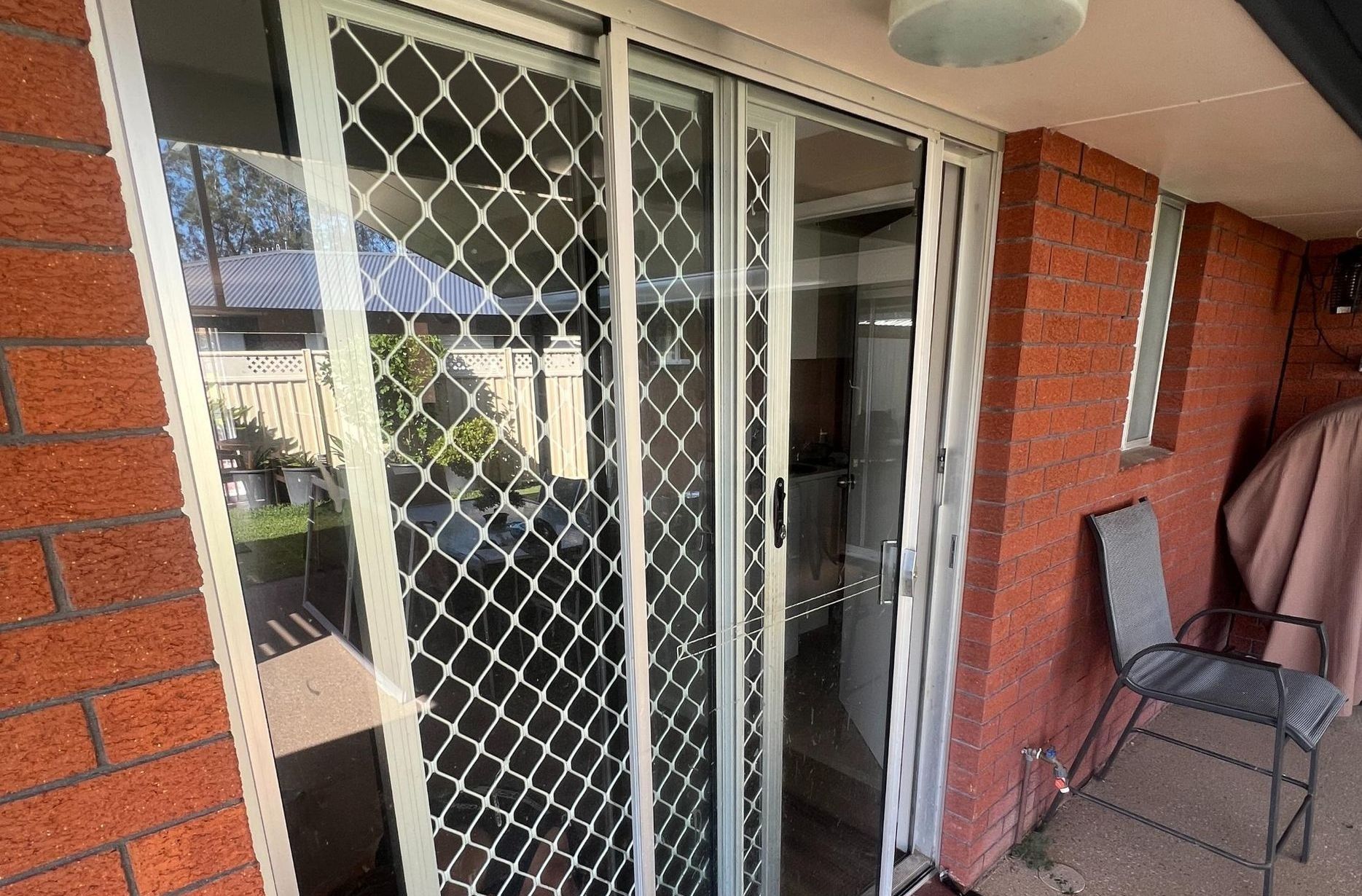
glass repair Forster ensure the panel is restored safely and professionally.
2. Laminated Glass and Its Role in Minimising Noise and Improving Security
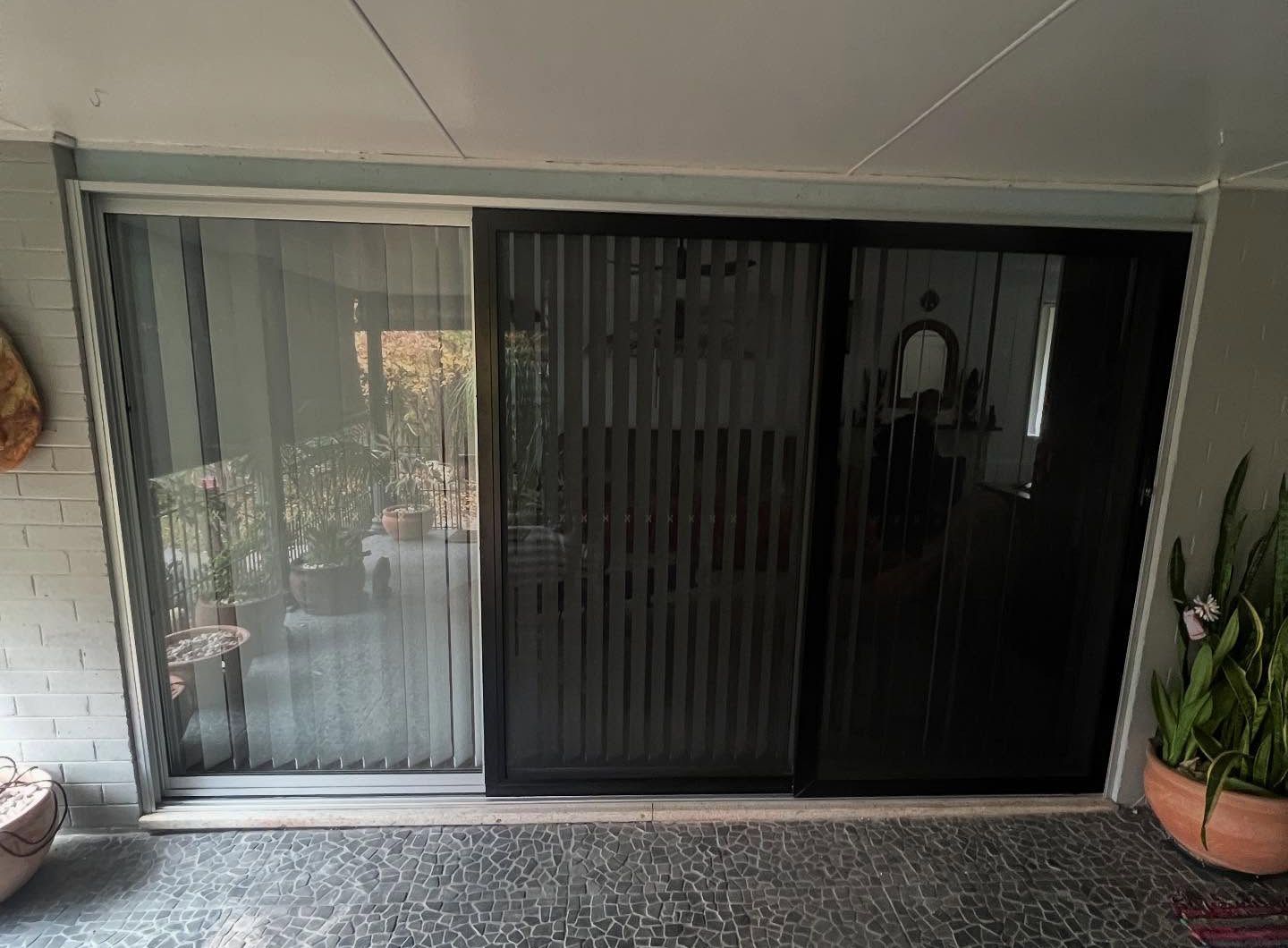
Laminated glass is known for its impressive strength and its ability to remain intact even when broken. Because it consists of two glass layers bonded together with an interlayer, it can absorb impact and resist penetration more effectively than standard glass. This structure not only enhances security but also helps to reduce noise transfer, making it ideal for living rooms, bedrooms, and entry doors. Glass suppliers often use laminated glass for homeowners seeking a quieter, more secure indoor environment.
- Strong resistance to forced entry
- Effective noise-reducing properties
- Added UV protection from the interlayer
With its multi-purpose benefits, laminated glass is a reliable choice for both comfort and safety.
3. Energy-Efficient Glass That Helps Moderate Indoor Temperatures
Energy-efficient glass is designed to minimise heat transfer, helping homes remain comfortable across different seasons. It achieves this by using specialised coatings or layered structures that limit how much heat passes in or out. This can reduce reliance on heating and cooling systems, making the home more energy-efficient overall. Glass suppliers assess each room’s exposure to sunlight before recommending the right energy-rated glazing option. By selecting the appropriate thickness and coating, they can help create a balanced indoor environment that feels consistent without excessive temperature fluctuations. Energy-efficient glass is particularly useful in large windows and areas that receive extended sunlight.
4. Frosted and Obscure Glass for Privacy Without Losing Natural Light
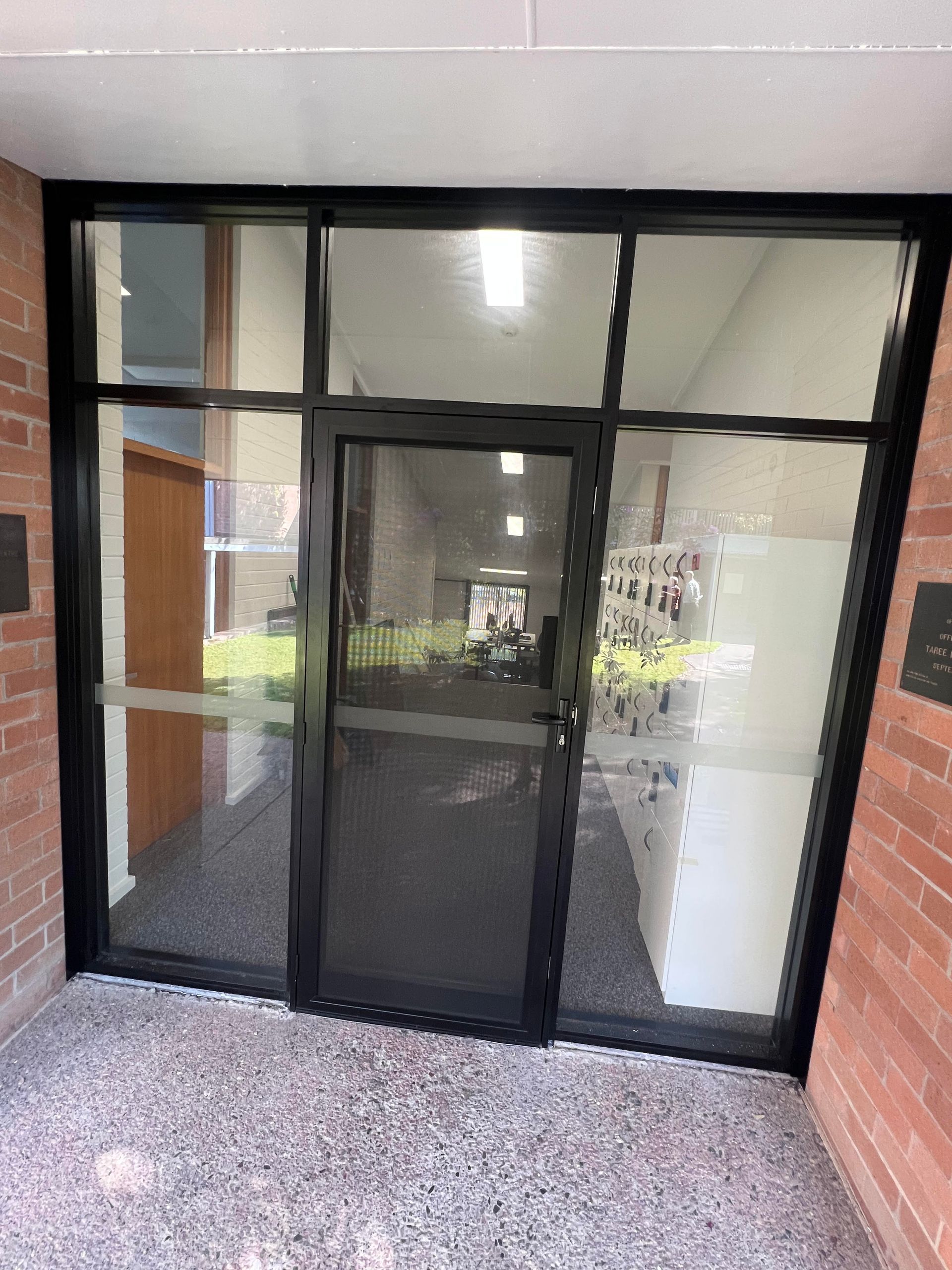
Frosted and obscure glass provide privacy while allowing natural light to fill the room, making them a popular choice for bathrooms, entryways, and interior partitions. These glass types offer a textured or frosted finish that blurs visibility without darkening the space. Glass suppliers install frosted and obscure panels in windows, shower screens, or decorative features to help homeowners maintain privacy without compromising light.
- Ideal for bathrooms and ensuites
- Suitable for entry doors and sidelights
- Great for internal partitions that require brightness and privacy
These options strike an ideal balance between function and visual appeal.
5. Why Float Glass Still Plays an Important Role in Modern Homes
Float glass remains the foundation for many glazing applications because of its smooth finish, clarity, and versatility. It is the base product used to manufacture toughened, laminated, and coated glass, but it is also installed on its own in areas where safety glazing is not required. Float glass is commonly used for smaller windows, cabinet doors, or decorative panels. Its affordability and adaptability make it a practical choice for everyday household needs. When breakages occur, glass suppliers provide fast replacements, measurements, and cutting services, ensuring the new panel fits seamlessly. Float glass continues to be an essential material for homes of all sizes and styles.
6. Double-Glazed Units for Better Comfort, Insulation, and Noise Control
Double-glazed units consist of two glass panes separated by a sealed gap that acts as an insulating barrier. This design significantly improves noise control and temperature regulation inside the home, making it particularly beneficial for bedrooms, living spaces, and work areas. The insulating gap reduces heat transfer, helping maintain a stable indoor climate while lowering energy usage. Glass suppliers provide double-glazed upgrades, sealed-unit replacements, and custom sizing to ensure each installation performs effectively.
- Improved acoustic insulation
- Enhanced comfort during seasonal temperature shifts
- Reduced reliance on heating and cooling
Double glazing provides a substantial long-term improvement to household comfort and efficiency.
7. Specialty Glass Options for Balustrades, Pool Fencing, and Feature Areas
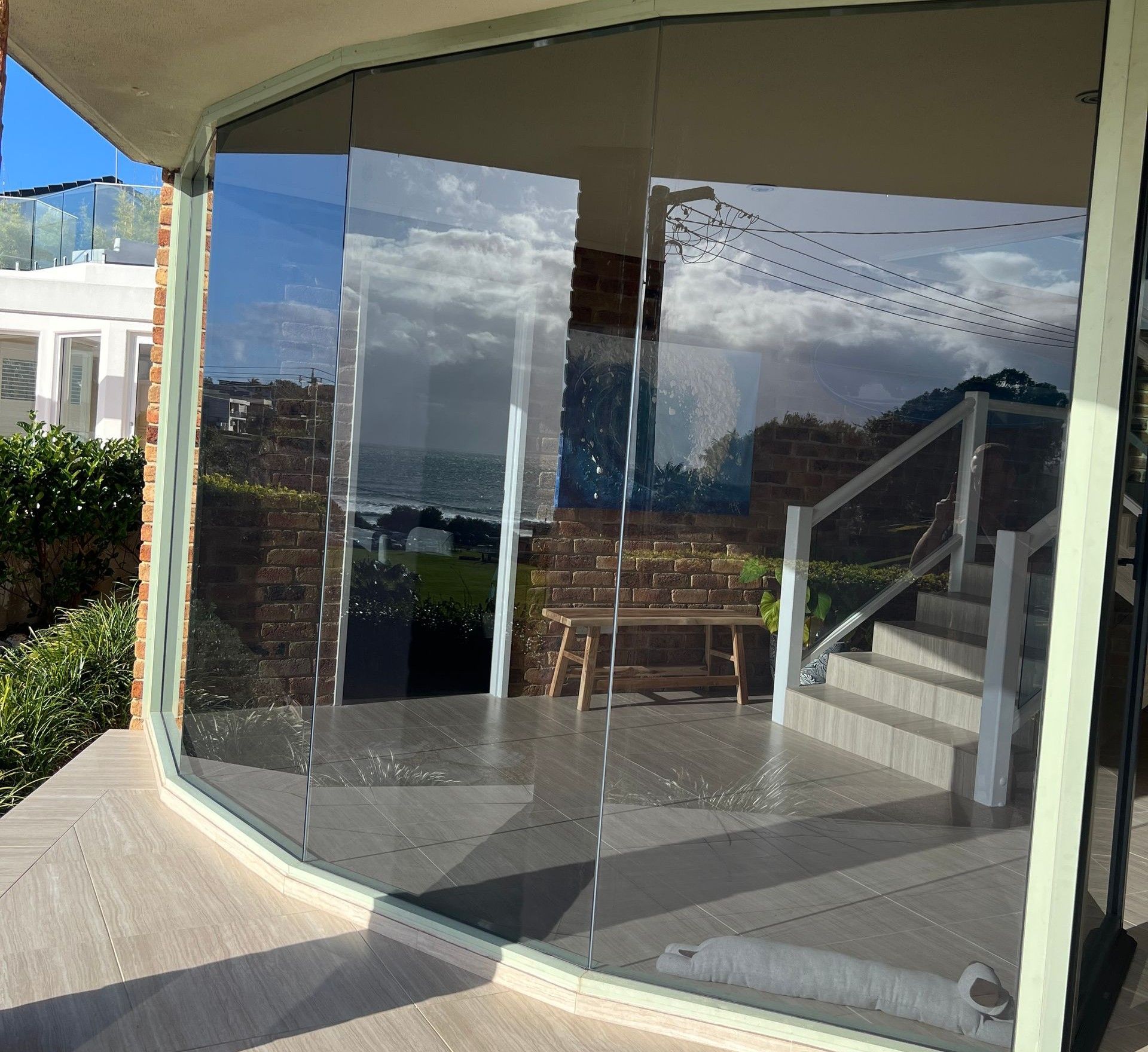
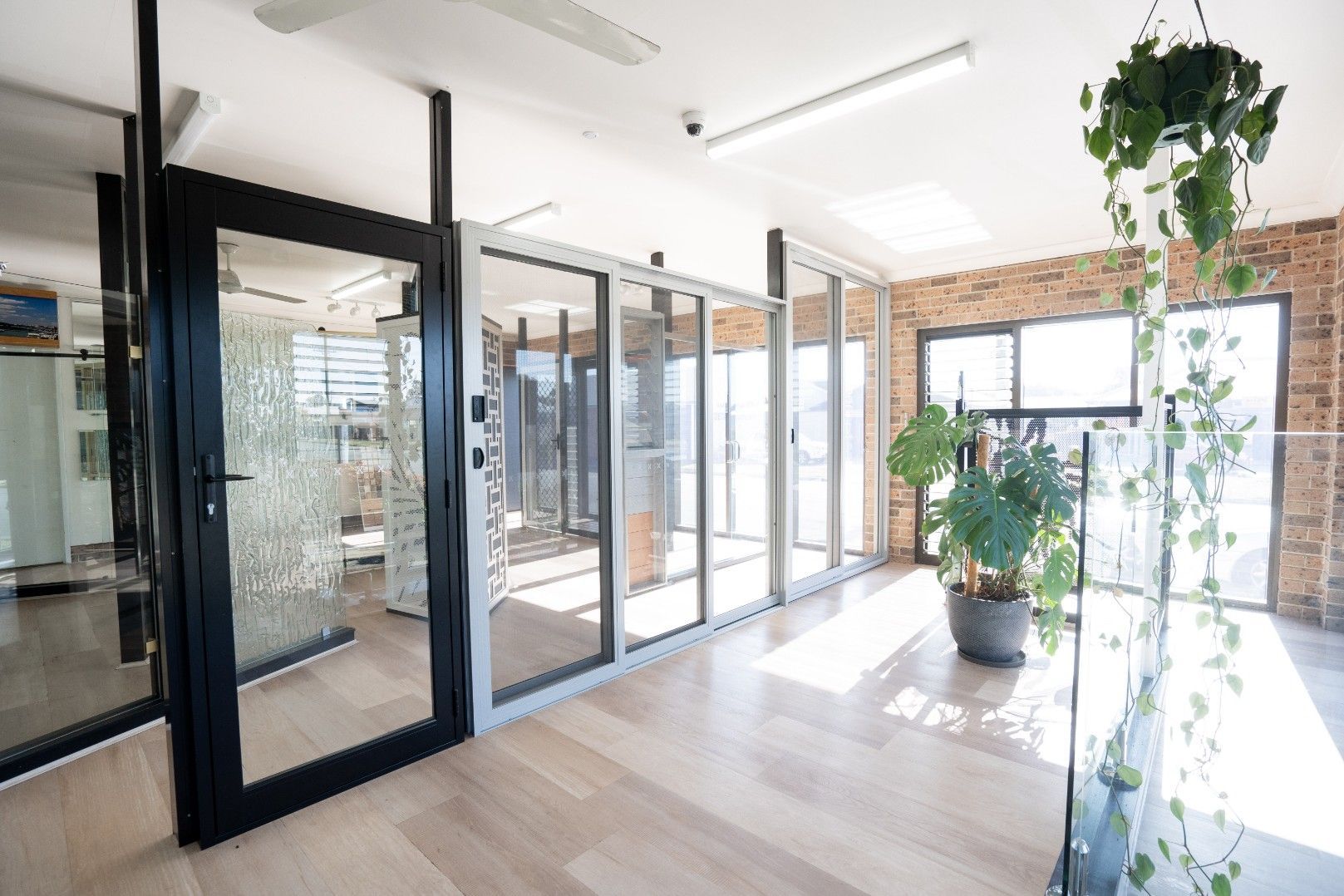
Homes often incorporate specialty glass for spaces where aesthetics and safety need to work together. This includes staircase balustrades, balcony surrounds, and pool fencing, where clear visibility and structural strength are essential. Specialty glass is typically toughened or laminated to ensure it meets safety standards while maintaining a clean, modern look. Glass suppliers provide custom fabrication to suit the home’s style, including frameless designs, polished edges, and tailored sizing. These installations can elevate the appearance of the home while providing safe and durable barriers for daily use.
8. Coastal-Resilient Glass Solutions Built for Long-Term Durability
Homes near the coast often require glazing that can withstand moisture, salt exposure, and weather changes. Coastal-resilient glass options are designed to maintain clarity and structural integrity despite environmental stresses. Glass suppliers offer solutions such as corrosion-resistant hardware, protective coatings, and moisture-sealed units to help extend the lifespan of windows and doors. These upgrades reduce the risk of ongoing repairs and keep glass installations performing well.
- Resistance to humidity and salt exposure
- Improved long-term durability
- Lower maintenance requirements
These options ensure that glass features remain reliable and attractive in challenging coastal conditions.
We at Glass 24/7 help homeowners choose and maintain glass solutions that suit the coastal conditions and lifestyle needs of Forster properties. Whether you are upgrading windows, replacing damaged panes, or looking for advice on energy-efficient or safety-rated options, our team can support your project with reliable installation and glass repair in Forster. Visit https://www.glass247.com.au to get in touch and find the right glass solutions for your home.